
Trigger Warning: Mention of Self Harm and Suicidal Thoughts.
The freeze mode
My heart feels heavy, and my mind races with a million thoughts. It is like those time-lapse videos where hours of footage are condensed into seconds. That’s how my mind works — racing in time-lapse mode. I can vividly recall every painful incident, the surroundings, the smells, and every object in the scene. My body feels weighed down as if something heavy is pressing against me. Then, a wave of something unfamiliar washes over me, from head to toe, and I start freezing, piece by piece. I try to move, but I can’t. I try to speak, but nothing comes out.
I’ve experienced this freezing in the office, surrounded by people, during therapy sessions, and even alone at home after a call or reading messages. The longest episode probably lasted hours when I was by myself. At work or in therapy, when I finally snap out of it, often thanks to my friends or the therapist’s support, I’m left extremely exhausted. It’s like I’ve just climbed a mountain, only to realize I now have to climb down, and I don’t have any other choice.
The Diagnosis – Borderline Personality Disorder
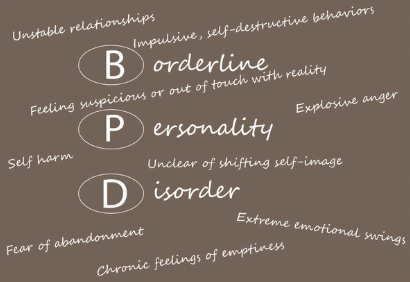
I was first diagnosed with Borderline Personality Disorder (BPD) in 2018 by a psychiatrist in Ahmedabad, India. I discussed the diagnosis with my therapist, and after thorough conversations, we concluded that I didn’t have BPD. However, a few months ago, my current psychiatrist gave me the same diagnosis but advised me not to worry about it unless it started significantly impacting my life. At that time, I was managing well.
But this year has been difficult. Certain life events triggered memories of childhood trauma, and I relapsed. I started noticing the same symptoms as before, only this time, they were more intense. I felt alone and abandoned, craving support but not at the cost of someone else’s peace. I became dissociated, withdrew from people, and ended up losing relationships. Therapy and medication helped, but in trauma therapy, healing often involves a process called “pendulation,” where things can get worse before they get better.
By early July, I thought I had fully healed. I even wrote a blog about it. But I soon realized it was just a phase. Although I understand that healing isn’t linear, I found myself at rock bottom. Every year, I’d been super excited about my birthday, but this year I didn’t want to celebrate at all. Initially, I asked my friends to come to Pune, it would have served both the purpose – my birthday and our reunion. Later when I started feeling suicidal and super depressed, I asked them not to come. Still, friends flew in from different places to celebrate with me, but I felt no excitement. I was ashamed of being born. While their presence made a difference, it wasn’t because of the birthday. Even they felt down seeing my depression. For the first time in my life, I didn’t cut a cake or go out to eat on my birthday. My girls did celebrate it on the 11th, that day happened to be my birthday as per the Hindu calendar. I loved the surprise. They did their best to make me feel loved, but I still felt abandoned, ashamed, and lonely within myself because of what I was going through.
I started having nightmares and became suicidal. I attempted several times, but I couldn’t go through with it. I tried at home and even outside, bottling up all my emotions along the way. I stopped sharing with anyone because I realized my illness was pushing people away. I also felt ashamed because some people told me I always talked about the same things, insisting that my life was beautiful and I should appreciate the blessings of my life.
I once read, “Shame dies when the story is told in safe places.” I talk about healing and pain, and my blogs are a testament to that. But everything has spiralled out of control—my taste buds, appetite, love for wine, passion for going out, taking long walks, and exercising have all faded. When I’m home, I often can’t bring myself to get up from bed or the couch for hours, sometimes going days without showering.
The Nightmares and delusions
I’ve accepted the loneliness. For the past month or so, I’ve been hearing unsettling sounds—voices of people I know calling my name or the sound of my father doing chores back in my hometown. Sometimes, I feel like I’m in my hometown. In the middle of the night, I wake up, check my phone for the time, and then hear noises or see figures in the living room. I become paralyzed, unable to move, and I start crying. I want to sleep, but I’m terrified of closing my eyes, afraid that whatever is in the room will harm me.
I don’t have anyone to talk to about this. Last night, I saw a creature on the floor and wanted to call someone, but it was 4 a.m., and I didn’t want to disturb anyone. I even thought about reaching out to someone in the U.S. because of the time zone, but I couldn’t think of anyone. I feel so helpless. These experiences aren’t limited to nighttime; they happen during the day as well. Sometimes, even in therapy, I start feeling like my therapist is lying to me or conspiring with my psychiatrist, and I lose my trust in him. When that happens, he brings me back, and I break down, pleading for help. I don’t understand how I snap into that version of myself, and then suddenly snap out of it.
This other version of me also believes that I’m in love with my therapist, and those feelings feel very genuine. However, as soon as I come out of it, I only feel grateful, spiritually connected, and filled with immense respect for him. It’s not that I don’t like him; I do, but it’s not romantic. Right now, as I write this, I feel fortunate to have met and gotten to know him as a therapist and as a person. Can you imagine the confusion when my feelings keep switching? It drives me crazy. In those moments, I genuinely believe my feelings are real, and I’ve never felt this way about anyone else before.
My therapist explained how this alternate personality develops during trauma to protect me from pain. It leads me to mistrust everyone and engage in self-harm as a way to shield myself from suffering. Therefore, I need to learn new coping mechanisms to manage this personality. It sounds shocking, scary, and unbelievable, but this is my reality, and I need to accept it. I am working hard and doing my best to develop these new coping strategies.
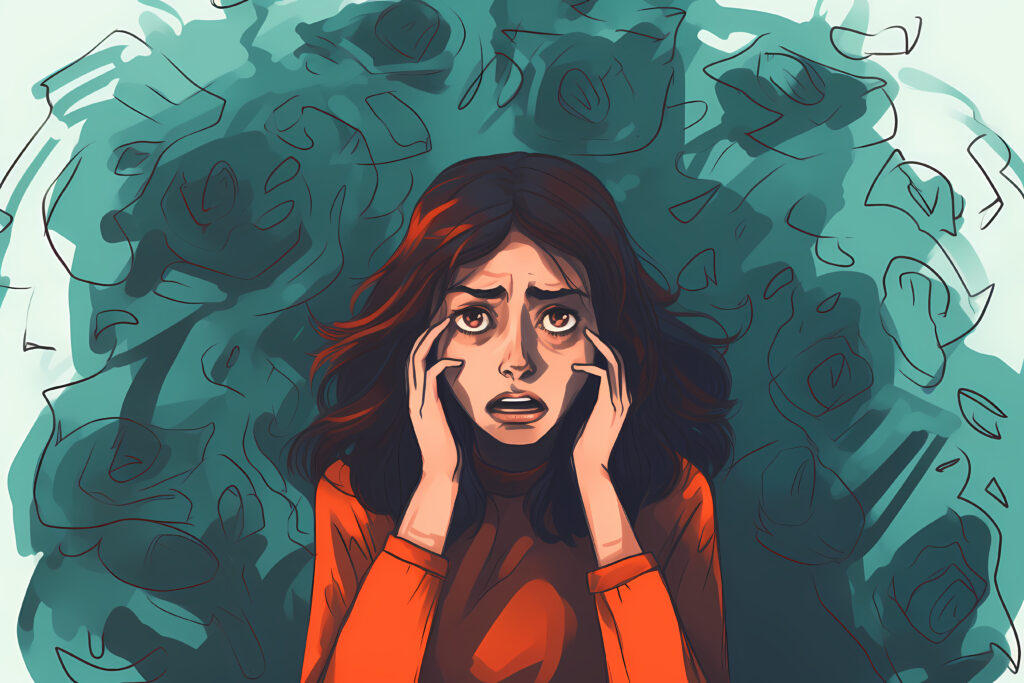
When the shift happens during a session, my therapist is there to help. But when it happens outside of the session, I’m left on my own. I end up writing letters to him. In my most suicidal moments, I write these letters, keeping them to myself, and tell him I don’t need any more sessions because I feel like it’s the end. He understands this is part of my illness and gently reminds me that the session is always available if I need it, often saying a prayer for me.
The stigma, ‘it is all in your head’ and toxic positivity
It’s painful that people either can’t handle my darkness or assume I’m always playing the victim. But I don’t have the energy to explain or justify what I’m feeling. The only way I can process it is by talking to myself and writing in my blog. I’m not just processing it—I’m doing everything I can to heal. I’m in regular therapy and on medication. If you know someone who has gone through childhood trauma and has symptoms like mine, please tell me how they healed. I’ll try anything to get better. I genuinely want to get my life back on track and return to good health.
My friends, family, and colleagues often tell me not to rely on medication, to wake up early, do yoga, eat well, and meditate as a cure for my mental illness. To that, I would suggest: please try applying that same approach to your family members or friends who are dealing with a physical illness. Consider stopping their treatment and encouraging them to get up early, do yoga, eat even if they’re not hungry, exercise, and meditate in the hopes of feeling happy and positive. It would be interesting to see how long it takes for them to recover from a physical illness using that method.
Mental illness is as valid as physical illness. Childhood trauma significantly impacts brain development, particularly in the areas responsible for coping mechanisms and emotional regulation. Adults who have experienced trauma are more likely to develop depression, anxiety, and other psychological disorders. Treating mental illness requires therapy and medication, but it also needs a strong foundation of support, empathy, and love from those around them.
See you on the other side…
People may have their opinions, but I write about my experiences to show what it’s really like to suffer, also this is the only way for me to vent out. Writing is my way of expression. Many are unaware of the reality and think it’s not a big deal to be stuck in this state for hours. Yes, it’s okay to cry or lay in bed for a while. But when that’s mixed with freezing, hallucinations, thoughts of suicide, flashbacks of abuse, feeling unloved, and believing life isn’t worth living, it becomes impossible to simply lie there. Each moment feels like an eternity, and it’s painful both physically and mentally.
Someone once asked me why I’m still trapped in this loop of trauma, even after years of therapy. At the time, I didn’t know how to respond. But now, I’d say: it’s not like I choose this darkness every day. There have been times when I felt healed, even happy. Nobody wants to be sad and depressed, trust me. At least I dare to acknowledge my issues and work on them, even if I have to do it alone.
I could choose a more conventional life—eating, working, sleeping, getting married, travelling, partying, and spending time with loved ones. But instead, I’ve chosen the path of self-awareness and passion to work on mental health awareness and serving society. Whether I conquer this illness or it consumes me, I don’t know. But I try every day. Yes, I bleed, but I do my best not to bleed on others.
I live each day as if it could be my last. I’ve stopped planning for the future because I have no confidence in what tomorrow holds. Right now, I see my therapist three to four times a week, and he’s the only person I confide in. He is very kind and has a beautiful soul. He also checks in on me outside of sessions. I have no idea when or how I’ll get through this phase. Personality disorders can’t be cured; they can only be managed through therapy and medication. I don’t know if I’ll make it to the other side through healing or by no longer existing, but I will see you on the other side.
Subscribe to our email newsletter to get the latest posts delivered right to your email.
Comments